
Watch Glossary
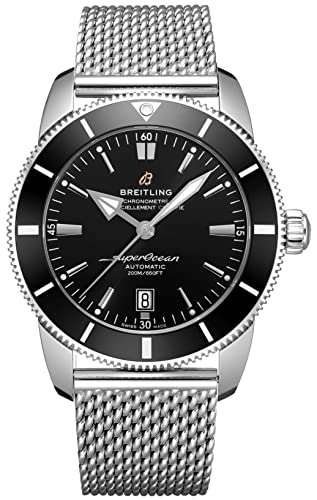
Automatic Movement A mechanism where the mainspring is wound by the movement of your arm. No need for batteries or manual winding. This was invented by Abraham-Louis Perrelet in the 18th century.
Balance Wheel This is a regulating mechanism in the watch which vibrates on a hairspring.
Bezel The retaining ring for the glass lens. Rotating bezels are marked and used for timing. Some can be rotated both ways while others only rotate clockwise, on a ratchet system.
Calibre The size and type of the movement.
Case The housing of the watch movement. Mens cases start at just over 30mm across but if you have bigger hands and wrists, look at 37mm all the way upto 53mm. Watches 42mm and above can take getting used to (especially if wearing smaller watches) but are well worth making the transition.
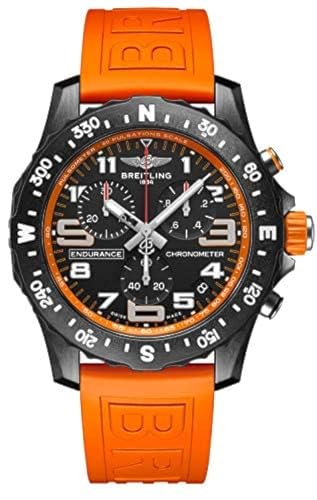
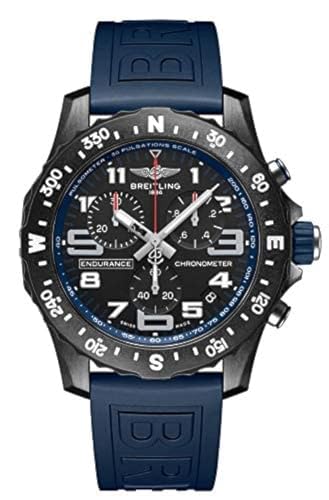
Chronograph Chronograph watches display dials on the face that each measure different intervals of time, used as a stopwatch.
Chronometer A watch has to pass rigorous accuracy tests set by the Swiss Official Chronometer Control in order to have the title chronometer.
Complication If a watch has other dials on the face, such as date, month or moonphase, each of those functions are called complications.
Crown The pull out knob on the case side that is used to change the time. On a hand winding watch it is also used to wind the movement. The crown can often be screwed down for protection.
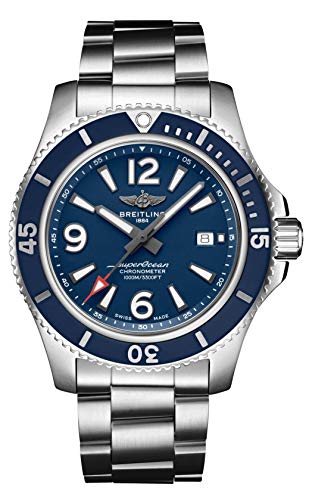
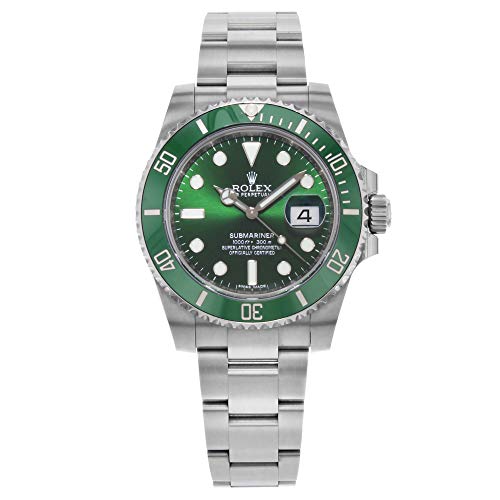
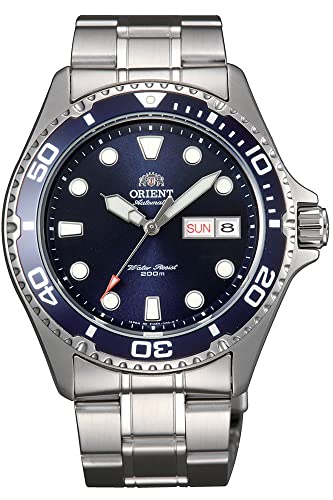
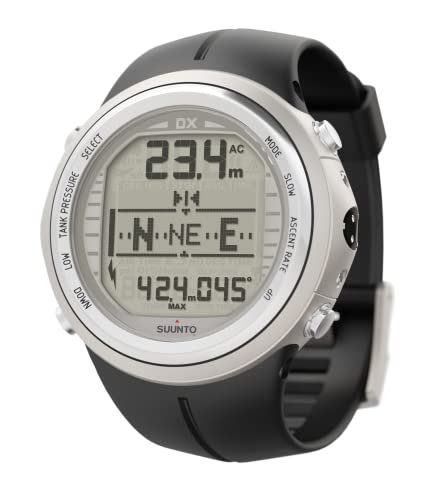
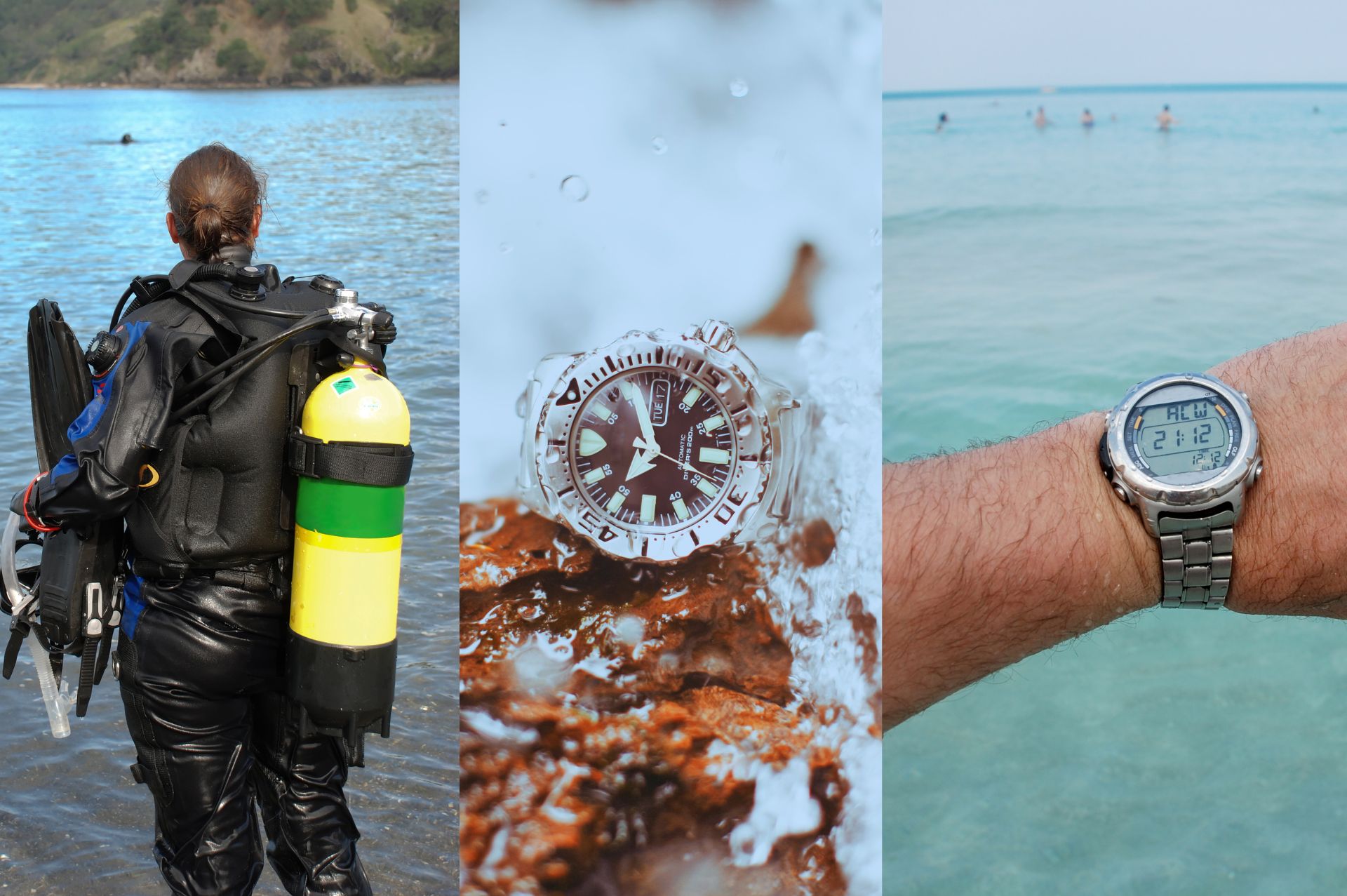
Divers Watches Watches designed specifically for divers, tested for resistance to water and pressure. Also important are legibility, a rotating bezel and a long or extendable strap to allow wear over wetsuits.
Exhibition Back A glass window on the case back to show the movement.
Glass Watches use two different types of glass. Sapphire crystal glass is virtually scratchproof, while cheaper watches mostly use hardened mineral glass.
Hand Winding Movement A watch mechanism requiring regular manual winding of the crown to keep the watch working.
Helium Escape Valve Found on some divers watches, usually at 10 o' clock on the case. Pressure builds up in watches if they are under water for extended periods of time, so the valve should be opened after diving.
Jewels These are normally synthetic rubies, used in movements to reduce friction. These are hard wearing and can be produced svery smoothly.
Moonphase A dial that keeps proper track of the phases of the moon. The moon rotates around the earth every 29 days, 12 hours and 44 minutes.
Movement The mechanism that is responsible for powering the watch.
Perpetual Calander A function that keeps the correct date in months of different lengths, even in a leap year.
Power Reserve A guage on an automatic watch to display how much power is remaining.
Quartz Movement A mechanism that requires a battery to keep the watch working. More accurate than an automatic movement.
Sweeps second hand A seconds hand that is mounted in the centre of the watch dial instead of a subdial.
Tank A watch with a rectangular case, originally designed by Cartier.
Tonneau A barrel shaped watch case that has two convex sides.
Tourbillon A part in some high end mechanical watches that increases the accuracy by countering the destabalising effects of gravity.
Water Resistence No watch is 100% waterproof. A watch should be water resistant to 30m to be used for swimming but divers require at least 100m and testing to ISO standards.
World Timer A dial that indicates up to 24 time zones around the world, using the names of major cities.